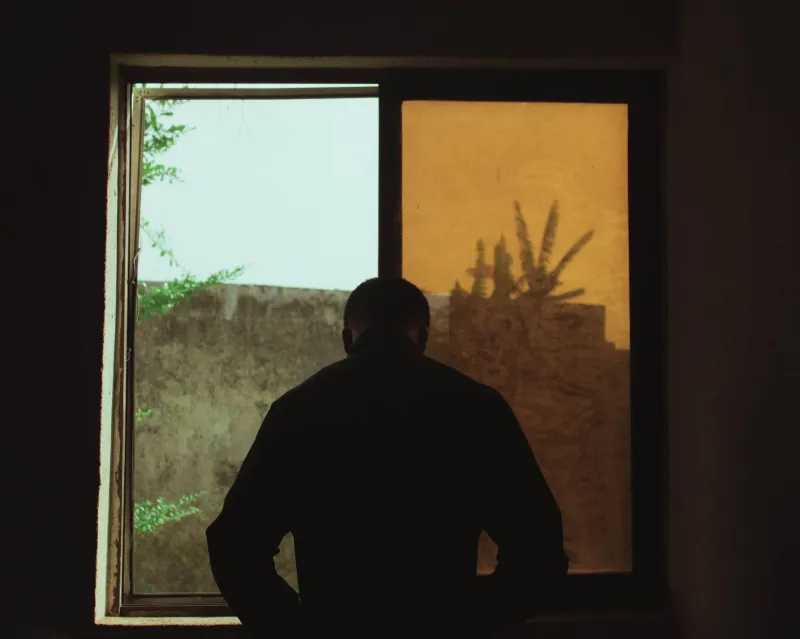
Born Guilty: How Modern Narratives Demand That Children Pay for the Sins They Never Committed

There is a particular cruelty embedded in the structure of generational trauma narratives — one that contemporary storytelling has not only embraced but refined into something approaching an art form. The child who arrives at the beginning of a story already burdened, already compromised, already shaped by a history they had no hand in writing, has become one of modern fiction's most reliable protagonists. What is less frequently examined is the moral logic underlying this figure: the quiet suggestion that inheritance extends not merely to damage, but to guilt.
This is the territory that the best — and most troubling — of these narratives occupy. They do not simply ask us to witness suffering passed from one generation to the next. They ask us to consider whether the recipient of that suffering bears some responsibility for it. And in doing so, they have begun to blur a distinction that should remain clear: the difference between being shaped by harm and being accountable for it.
The Architecture of Inherited Guilt
Consider the structural mechanics at work in stories like Succession, Sharp Objects, or the literary tradition that runs from Faulkner's Southern Gothic through Celeste Ng's Everything I Never Told You. In each case, the child — whether biological or figurative — enters a world already compromised by decisions made before their arrival. The Faulknerian rot in the house, the maternal wound in Flynn's Ozarks, the Roy family's empire built on a patriarch's particular brand of emotional devastation: these are not neutral backdrops. They are moral inheritances, and the narratives treat them as such.
What distinguishes contemporary iterations of this tradition from their predecessors is the degree to which the child is implicated rather than merely afflicted. Older tragedy was content to let the child be a victim of circumstance — Oedipus does not choose his fate, and the horror of his story derives precisely from its inevitability. Modern prestige storytelling is less comfortable with pure victimhood. It wants its characters to be agents, even when agency means being complicit in the very structures that harmed them. The result is a protagonist who is simultaneously wronged and culpable, a figure who inherits damage and then, crucially, perpetuates it.
This is not without psychological truth. Trauma research has long established that unprocessed harm tends to reproduce itself across generations. But there is a meaningful distance between depicting that reproduction as a psychological reality and framing it as a moral one — and contemporary narrative has a habit of collapsing that distance.
When Accountability Becomes Punishment
The most instructive example of this collapse may be found in the genre of the family drama, which has become one of American television's most reliable vessels for generational guilt. Shows like Bloodline, Ozark, and The Affair construct elaborate moral ecosystems in which characters are perpetually reckoning with the consequences of their parents' choices — and in which their failure to fully escape those consequences is framed, implicitly or explicitly, as a kind of moral failing.
Marty Byrde in Ozark is not simply a man trapped by circumstances beyond his control. He is a man who, the show suggests, was always capable of becoming what he becomes — and that capacity is inseparable from the family history the narrative carefully layers beneath him. The sins of the father, in this telling, are not merely visited upon the son; they are constitutive of him. He does not inherit damage. He inherits a predisposition toward it, and the story treats that predisposition as destiny.
This is where the narrative logic becomes most ethically suspect. When a story insists that a character was always going to become their worst self because of where they came from, it is not illuminating the mechanics of generational trauma — it is naturalizing them. It is suggesting that some people are simply born into guilt, and that the most they can hope for is to manage rather than escape it.
The Audience as Inheritor
What makes this dynamic particularly potent is the way it extends beyond the characters on screen to implicate the audience watching them. One of the distinctive features of prestige drama's engagement with generational guilt is its insistence on implicating the viewer in the moral weight it constructs. We are not permitted to watch these stories from a position of comfortable distance. We are asked to understand, to empathize, to recognize — and in doing so, to share in the guilt the narrative has distributed.
This is a sophisticated rhetorical maneuver. By engineering our sympathy for characters who are themselves complicit in harm, these stories make us complicit by extension. We root for the Roys even as we recognize the damage their father has done. We follow the Byrdes through moral compromise after moral compromise because the show has made us care about their survival. Our investment becomes a form of participation, and participation, in the moral grammar of these narratives, is a form of guilt.
There is something genuinely illuminating about this technique when it is deployed with precision and purpose. The best of these stories use our complicity to force a confrontation with the ways in which we, as a culture, perpetuate the structures that harm us — the economic systems, the family mythologies, the national narratives that we inherit and rarely interrogate. In this reading, the child burdened by a parent's sins is not merely a dramatic figure. They are a mirror.
The Danger of Inescapability
The problem arises when these narratives move from illumination to determinism — when they suggest not merely that inherited guilt is real and consequential, but that it is inescapable. This is the tragic mode at its most seductive and most dangerous: the suggestion that certain wounds are constitutive, that certain inheritances cannot be refused, that some damage is simply who you are.
In literary adaptations like Hamnet or The Dutch House, this tension is handled with considerable care. The past exerts its gravity, but characters are permitted to struggle meaningfully against it, and their struggles — even when they fail — are treated as morally significant. The inheritance is real, but so is the agency brought to bear against it.
Less careful narratives offer no such purchase. They construct their characters as fundamentally determined by origin, and in doing so, they risk something more troubling than dramatic fatalism. They risk suggesting that accountability and guilt are the same thing — that to have been shaped by harm is to be responsible for it, that to carry damage forward is to have chosen it.
This is the distinction that matters most, and the one that contemporary storytelling most frequently elides. A child who grows up in the shadow of a parent's violence, addiction, or moral failure is not guilty of that parent's choices. They may carry the consequences. They may struggle, and sometimes fail, to escape the patterns those choices established. But the narrative act of treating that struggle as a form of moral reckoning — of suggesting that the child must atone for what the parent did — is not psychological realism. It is a form of punishment dressed in the language of tragedy.
The most honest stories about generational trauma understand this. They hold the tension between inheritance and agency without resolving it into determinism. They allow their characters to be damaged without declaring them damned. What Tragiko finds most worth examining is the growing number of narratives that do not — that have mistaken the weight of the past for a verdict, and called it truth.