Unmaking the Wound: When Filmmakers Return to Rewrite the Pain They Already Inflicted
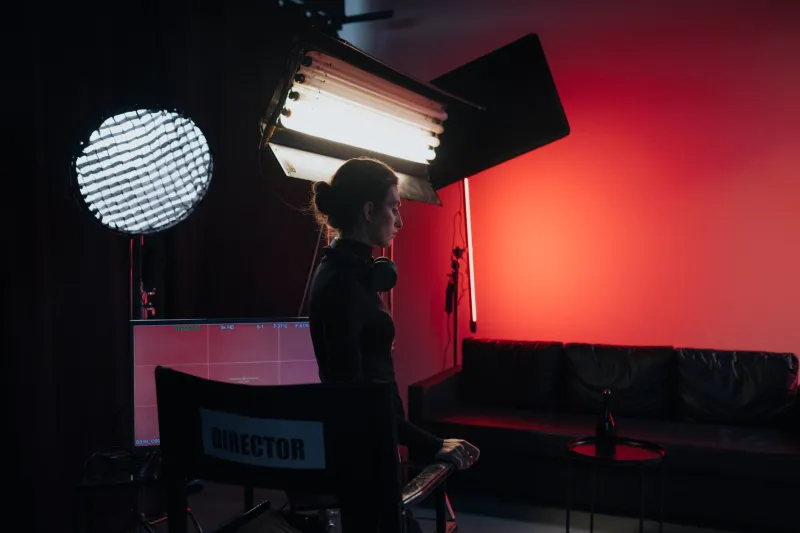
There is something deeply telling about a filmmaker who cannot stop touching the scar. The original cut has already been released. Audiences have already absorbed the grief, argued about the ending, carried the emotional residue home in their pockets. The tragedy has been sealed and distributed. And yet, years or decades later, the director returns — quieter, older, perhaps wiser or perhaps merely more anxious — and begins to pull at the stitching.
This is the phenomenon that prestige cinema rarely examines honestly: the director's cut not as artistic liberation, but as psychological retreat. The impulse to unmake your own tragedy before the culture fully metabolizes it.
The Mythology of the Director's Cut
For most of film history, the director's cut carried a specific and romantic narrative. The studio had interfered. The artist had been silenced. The extended or restored version represented the true vision, the uncorrupted original, the work as it was always meant to exist. Ridley Scott's Blade Runner became the canonical example — a film genuinely transformed by the removal of its imposed happy ending and Harrison Ford's explanatory voiceover. The director's cut, in that case, was not softening. It was darkening. It made the tragedy more complete.
But that mythology has since been complicated by a different kind of revisitation: one that moves not toward severity but away from it. One that smooths the rough edges, restores a scene of reconciliation that was cut for pacing, or reframes a morally devastating conclusion with just enough additional context to let audiences — and perhaps the filmmaker — breathe a little easier.
The question worth asking is what drives the second impulse rather than the first.
When Revision Becomes Recantation
Consider what happens to a film's cultural meaning when its ending is altered years after release. The original tragedy has already done its work. It has been discussed, dissected, grieved over, and incorporated into the way audiences understand the story. A later revision does not erase that experience — it layers over it, creating a strange palimpsest in which two versions of the same emotional truth compete for legitimacy.
In literature, this dynamic has a long and complicated history. Authors from Henry James to F. Scott Fitzgerald revisited earlier work with mature eyes and made alterations that critics have debated ever since. James famously revised his early novels so aggressively that some scholars argue he dismantled their original vitality entirely. What he gained in stylistic sophistication, he occasionally lost in raw emotional honesty.
Film operates on a similar tension, but with an added layer of commercial and technological pressure. The rise of streaming platforms and 4K restoration projects has created a cultural moment in which revisiting old work is not only possible but actively encouraged and monetized. A director's cut released on a major platform is a content event. It generates press, renews conversation, and reintroduces a filmmaker's catalog to an audience that may have encountered the original only through cultural osmosis.
The economic incentive to revisit does not automatically corrupt the artistic impulse — but it does complicate the question of motivation in ways that deserve scrutiny.
The Psychology of Wanting to Unsay
What does it mean, psychologically, to want to revise a tragedy you deliberately constructed? The filmmaker who returns to a dark work is not simply polishing. They are, in some sense, in negotiation with their own prior self — the version of them that believed the brutal ending was necessary, that the character's destruction was earned, that the story demanded its particular form of devastation.
The revisionary impulse can arise from genuine artistic growth. A filmmaker may look at an earlier work and recognize that the darkness was performative rather than meaningful — that the tragedy served shock rather than truth. In those cases, revision is an act of integrity.
But the revisionary impulse can also arise from something less flattering: the discomfort of having made something that permanently affected people. Audiences write letters. They describe how a particular film's ending shaped their understanding of loss, or love, or futility. For some creators, that weight becomes unbearable. The desire to soften is not about the film at all. It is about the relationship between the artist and the damage they caused.
This is where the mercy edit — the quiet restoration of hope, the added scene of reconciliation, the reframed finale — becomes a form of emotional self-protection dressed as artistic refinement.
What Finality Actually Costs
Storytelling's power has always resided partly in its irreversibility. The character dies and stays dead. The relationship ends and does not recover. The choice is made and cannot be unmade. This is what separates narrative tragedy from mere unpleasantness: the sense that what has happened is permanent, that the story's world is now irrevocably altered.
When a filmmaker returns to revise that permanence — when the death is softened, the ending reframed, the moral ambiguity resolved into something more comfortable — they are not simply adjusting a work of art. They are making an argument about what stories are for. They are suggesting, implicitly, that the audience's comfort is a legitimate factor in determining a narrative's final shape.
There is an argument to be made for that position. Art exists in relationship with its audience, and the filmmaker who matures enough to recognize that their earlier cruelty was gratuitous rather than meaningful deserves credit for the admission. Revision, in those cases, is a form of honesty.
But there is an equally compelling argument that some tragedies earn their permanence. That the scar is part of the meaning. That the director who returns to soften what they once had the courage to build is not evolving — they are retreating from the very thing that made the work matter.
The Version We Carry
Perhaps the most honest thing that can be said about the revisionary impulse is this: the version the audience first encountered is the version that shaped them, and no subsequent cut can fully displace it. The original tragedy has already taken up residence. It has already done what stories do — entered the nervous system, altered the imagination, left its particular mark on how a viewer understands grief or failure or love.
The director's cut, however lovingly assembled, arrives as a second opinion on a diagnosis the audience has already received and already lived with. It may be more accurate. It may be more compassionate. But it cannot be first.
And in storytelling, being first matters enormously. The wound that was inflicted before the revision existed is real. The mercy that arrives afterward is real too. But they are not the same act, and they do not cancel each other out.
The filmmakers who understand this — who return to their darkest work with revision rather than recantation, who deepen rather than soften — are engaged in something genuinely valuable. The ones who return hoping to unsay what they already said are learning, perhaps too late, that some tragedies cannot be unmade. They can only be lived with.