A Joke at the Funeral: How American Storytelling Made Despair Punch Itself In
There is a moment in nearly every acclaimed American series of the last decade that follows the same grammar: a character says something devastating, the room goes quiet, and then someone — anyone — undercuts it with a well-timed quip. The laugh track is gone, but the reflex remains. We have trained ourselves to need the punchline the way previous generations needed the redemption arc.
The Genre That Won by Refusing to Choose
Tragicomedy is not new. Shakespeare mixed clowns into his bloodbaths, and Chekhov famously insisted his "comedies" were tragedies, or possibly the reverse. What is new is the genre's total conquest of American prestige storytelling. BoJack Horseman built an entire tragic philosophy out of talking-animal sight gags. The Bear wraps panic attacks in the rhythms of a workplace comedy. Barbie and Everything Everywhere All at Once won awards by smuggling existential dread inside jokes about Kens and bagels.
The pattern is consistent: audiences now approach material that announces itself as "sad" with suspicion. A story that is only sad feels, to the modern viewer, somehow dishonest — or worse, manipulative. The joke functions as a receipt, proof that the story knows it is being excessive.
Humor as Structural Reinforcement, Not Relief
The conventional explanation is comic relief, but relief implies the tension actually lessens. Watch the funeral episode of a modern tragicomedy closely and notice something: the jokes do not release the pressure. They redistribute it. When BoJack Horseman places a devastating monologue about depression against a background gag involving a seal, the two registers do not cancel out. They multiply. The viewer laughs, feels guilty for laughing, and that guilt becomes part of the emotional payload.
This is a structural achievement, and it is why the genre works. But it is also a contract, and contracts have terms.
The Terms of the Deal
The unspoken agreement between tragicomedy and its audience goes something like this: we will follow you into the darkness, but you must keep it entertaining on the way down. A show like The Bear can only sustain its relentless anxiety because it is also, technically, funny. Remove the humor and you have a trauma drama; keep it and you have the most decorated series of its year.
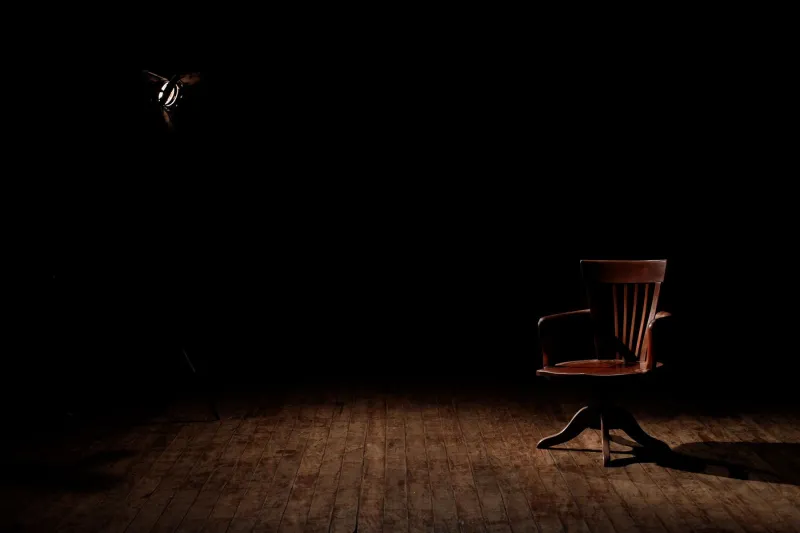
The cost shows up at the edges. Characters in tragicomedies are rarely permitted the dignity of a grief that is boring, slow, or unresolved in an unfunny way. Sorrow must be articulate. It must have timing. The widow in a tragicomedy cannot simply sit in a chair for a season; she must say something wry about the chair.
What We Might Be Laughing Over
The more uncomfortable question is what the audience's demand for the punchline says about us. There is a reading in which tragicomedy is the most honest genre America has — a culture that grew up on sitcoms processing its first genuinely bleak era through the only dialect it speaks. In that reading, the jokes are not evasion. They are how a nation that no longer believes in happy endings keeps watching at all.
There is a darker reading. In that one, the laugh is a toll we charge ourselves, a small payment that lets us believe we are engaging with despair rather than consuming it. The tragedy becomes palatable precisely because it is packaged, and packaging is what consumption requires.
Both readings can be true at once, which is perhaps the most tragicomic outcome available. The genre that refuses to choose between laughter and tears has produced audiences who no longer can either — and who keep streaming, in the meantime, because the alternative is sitting with something that will not make a joke about it.